As an Amazon Associate, we earn from qualifying purchases.
A useful “quiet” cue asks your dog to pause barking and turn back toward you. It does not mean your dog must never make a sound. Start with an easy moment, reward the pause, and build from there. Shouting over a barking dog usually makes the situation harder to understand.
This lesson is for a dog who can recover from mild excitement and comfortably engage with you. A dog panicking when alone, guarding a doorway or reacting to pain needs a different plan. A learned word cannot remove those causes. Our anti bark devices guide explains how reward tools differ from ultrasonic deterrents if you are deciding what equipment to use.
First, choose the right barking problem
Watch an ordinary episode before starting a lesson. Note what happened immediately before the barking, where your dog was and what ended it. For example, “delivery van stopped, dog rushed to hallway, barking ended after the van left” is more useful than “he was being stubborn.” It identifies something you can make easier during practice.
Check ordinary needs as well: a toilet break, water, company, rest and appropriate activity. Do not ask for silence when your dog is trying to tell you something is wrong. New or markedly increased barking, especially alongside changes in sleep, movement or hearing, deserves a veterinary appointment. Record what you have noticed rather than trying to diagnose the cause from the sound alone.
For an initial exercise, choose brief, low-intensity alert barking with natural pauses. Avoid starting during an actual delivery, a noisy party or a confrontation with another dog. You need room to stop and adjust the exercise. Keep children and other animals out of the practice area so your attention stays on one dog.
Prepare a reward and a clear marker
Put small pieces of suitable food within reach before you begin. Use something your dog eats willingly, with a texture that is easy to swallow. Count training food within the day’s allowance, and follow existing dietary restrictions. The reward should arrive quickly enough that your dog can connect it with the behavior you wanted.
Choose a short marker such as “yes,” or use a clicker if your dog is comfortable with its sound. The marker tells the dog which moment earned the reward; “quiet” will become the instruction. Keeping these jobs separate helps you avoid saying “quiet, good boy, yes, quiet” while your dog is still working out what changed.
A useful tool: PetSafe Clik-R Purple
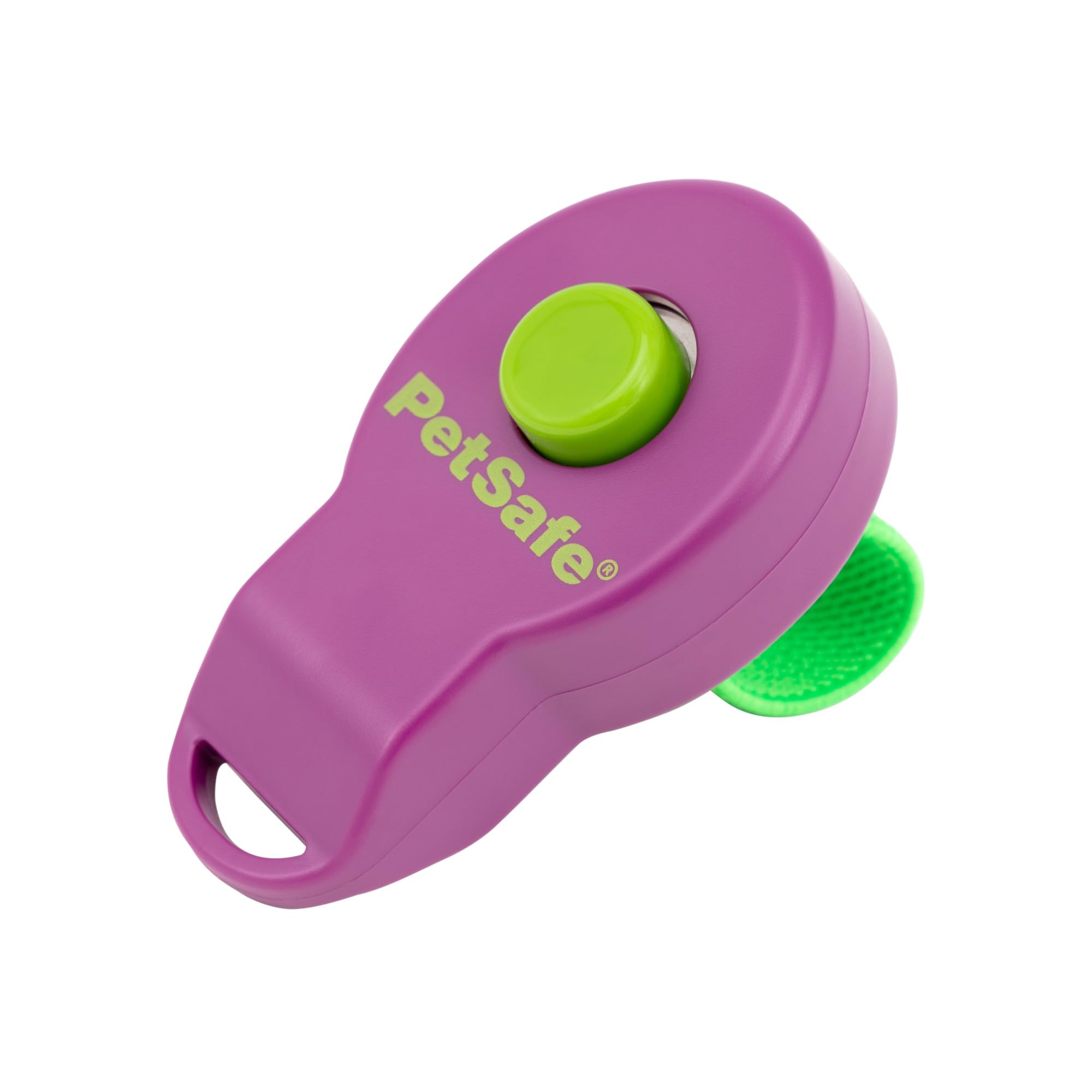
The Purple, single-count PetSafe Clik-R, model CLKR-RTL, has a finger band and a push button that makes an audible click. It needs no battery or app. You can use it to mark the instant your dog’s barking pauses, then deliver a reward. Keep it beside you rather than aiming it toward the dog’s face.
Its limitation matters: this is a manually operated marker, not an automatic bark detector. Clicking without a following reward, or repeatedly clicking to interrupt barking, defeats the purpose. A sound-sensitive dog may do better with a softly spoken marker. You do not need to buy a clicker to teach this lesson.
Step 1: notice silence before adding a cue
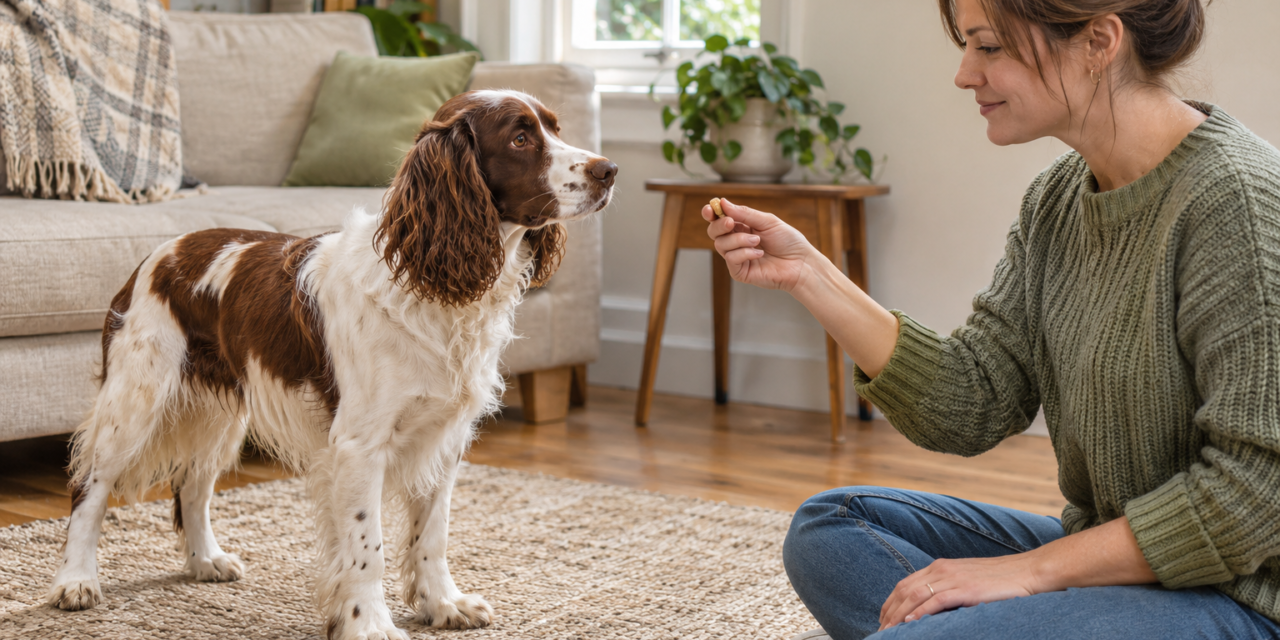
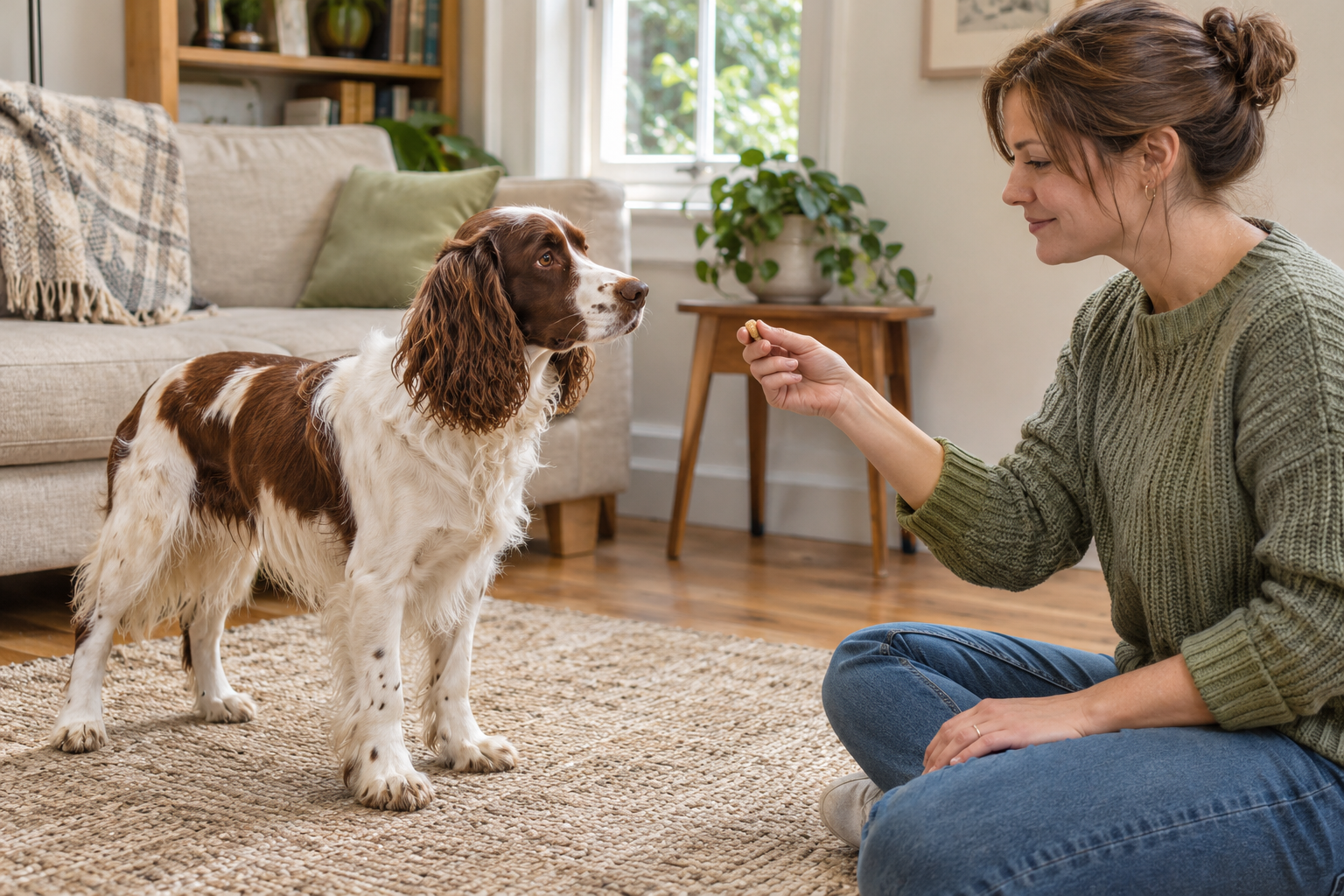
Begin by rewarding quiet behavior your dog already offers. When your dog stands near you without barking or calmly watches an ordinary household activity, mark that moment and give the food. You are building a history in which quiet engagement earns something useful, rather than waiting for barking to become the route to every reward.
If using a new marker, first pair it with food in a calm room. Make one marker sound, then give a small reward. Watch for comfortable interest in the food. If your dog flinches at the click, move to a gentle verbal marker. The exercise should make your communication clearer, not require your dog to endure a startling noise.
Step 2: capture a natural pause in mild barking
During a manageable, brief alert, wait for the natural break between barks. Mark the silence and reward promptly. Do not put your hand over your dog’s muzzle, shake objects or produce a louder noise to manufacture the pause. If there is no usable pause, reduce the distraction or move farther away instead.
Here is a practice example: your dog gives a short woof at a distant sound, then glances toward you. Mark the quiet glance and give a reward beside your leg. That placement also brings your dog away from the trigger. If your dog immediately races back barking, close the session and arrange an easier setting next time.
Step 3: introduce the word at a predictable moment
Once you can recognize when your dog is about to pause, say “quiet” once in an ordinary, calm voice just before that moment. Mark the resulting silence and reward. Keep the word consistent across the household. One person should lead the lesson while others avoid adding competing instructions.
You are teaching an association, so the word needs a realistic chance of being followed by success. Repeating it through continuous barking gives your dog little useful information. If you misjudge the moment, do not become louder or physically restrain the dog. Manage the environment, let everyone settle and make the next attempt easier.
Step 4: ask for a little more quiet
After the cue regularly predicts a pause, wait a very short additional moment before marking. Build duration gradually, and include easy repetitions among the slightly harder ones. Think in small increments rather than making an immediate jump from a second of silence to an entire visitor’s arrival.
If barking resumes before you can reward, the step was too large for that situation. Shorten it again. You can reward several quiet moments during one calm period, rather than asking for a single long performance. End while your dog is still engaged; tired or frustrated practice rarely produces the clearest learning.
Step 5: give your dog a next job
Silence is easier to maintain when the dog has something understandable to do afterward. Practise turning toward you, following you into another room or settling in an already familiar resting place. Teach that action separately first, away from whatever normally causes barking. Then ask for it after an easy quiet response.
For example, after a low-level hallway sound, cue “quiet,” reward the pause and invite your dog to walk with you to the living room. Continue rewarding calm engagement there. During a real delivery, use a closed door or suitable barrier and give your dog space; opening the front door is not part of the training test.
Troubleshoot the pattern, not just the noise
“My dog barks to start the game.” Add more rewards for quiet behavior before barking happens. Make practice sessions distinct from ordinary demands for food or attention. If every bark immediately produces a cue and a treat, you may have created an easy sequence your dog wants to repeat. Reward the calm starting point more often.
“It works in one room only.” Treat a new setting as an easier version of the lesson. Change one challenge at a time: a different room, a slightly more noticeable sound or a longer pause. Ask for the shortest successful response again. A kitchen success does not establish that your dog understands the cue beside an open garden gate.
“He takes the food but looks worried.” Eating is only one observation. Look at the whole dog: can he disengage, move freely and return to normal activity? A dog who stays rigid, avoids approaching you or keeps scanning the doorway needs less pressure and more distance. Rewarding silence should not hide continuing distress.
Know when to stop practising and get help
Pause if your dog cannot recover, repeatedly refuses usual food or becomes more distressed as the session continues. For barking associated with being alone, arrange observation and discuss it with your veterinarian; practising a cue while you are present will not establish how your dog feels after you leave. Fear, aggression and repeated frantic behavior deserve an individual assessment.
Keep a small record of the setting, the response after one cue and how quickly your dog returns to ordinary activity. Progress might mean an easier recovery and fewer repeated cues before it means fewer barks overall. Use those observations to choose the next manageable exercise, while allowing your dog normal communication, rest and the option to move away.