As an Amazon Associate, we earn from qualifying purchases.
The first bang goes off while your dog is still in the yard. A minute later they are wedged behind the sofa, panting, and you are trying to remember whether the back door latched. A little preparation can make that evening safer. Give your dog a familiar indoor retreat, handle outdoor trips before the noise, and decide ahead of time what you will do if your dog starts to panic.
Get the outdoor errands done early
Check when the local display is scheduled, then plan for neighbors to start earlier and finish later. Move the long walk and the usual evening bathroom break to a quieter part of the day. A familiar route is plenty. A dog who has already heard a few bangs may be better off with a short outing close to the house than a long walk that leaves you far from home when the noise picks up.
When you go out after dark, clip the leash on before opening the door. Use the same precaution in a fenced yard if your dog has a history of bolting when startled. Keep the trip short and come back in if the dog freezes, scans the sky, or pulls toward the house. Check that the tag has a current phone number and that the microchip registry has current contact information. Ask guests to tell you before they open an outside door. If people will be coming and going, put a closed interior door between the dog and the entrance.
Set up a room your dog already likes
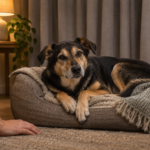
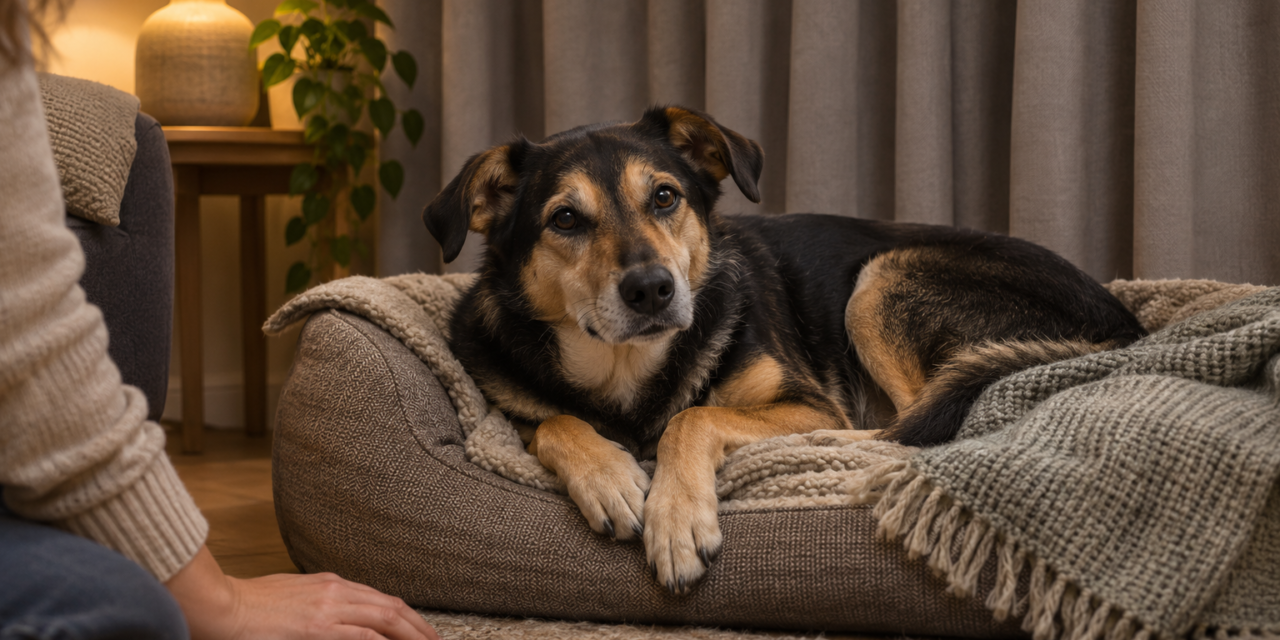
Start with the spot your dog chooses on ordinary evenings. An interior bedroom, a hallway, or a finished basement may be quieter than a room with big street-facing windows. Close the windows and draw the curtains or blinds. Add the dog’s usual bed or blanket, a bowl of water, and enough space to move around. Turn on a fan or play something familiar at a comfortable volume. You are softening the contrast between silence and each bang. The room should still feel quiet enough for your dog to settle.
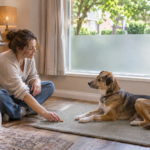
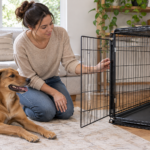
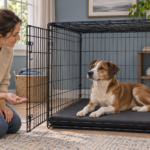
Introduce the space on a calm day. Leave the door open while you sit there for a few minutes, and let the dog walk in and out. If your dog already uses an open crate as a retreat, keep it available. A dog who scratches, bites, or throws their weight at a crate door needs a safer space. Move breakables and cords away from likely hiding places. If your dog heads under the bed and can get in and out safely, let them stay there.
What to do once the fireworks start
Watch the dog’s body before deciding what to offer. A dog who looks up after a bang, then comes back to sniffing or eating, may be able to play a simple game. Toss a few pieces of familiar food near their feet or invite them to look for a toy they already like. Let them choose whether to engage. A dog who stops chewing, tucks their tail, trembles, or keeps looking for a way out needs more distance from the noise and fewer demands.
Stay nearby if your dog seeks you out. Sit where they can approach and move away freely. Offer quiet contact if they lean in. If they move away or stiffen, give them room. A frightened dog may react defensively if you reach under furniture or try to pull them out. Let them emerge on their own when the spot is safe. Avoid scolding, asking for repeated cues, or taking the dog outside to get them used to the sound.
In a household with two dogs, make room for different responses. One might settle in the bedroom while the other still wants to play. Give each dog a separate space if shared food or toys tend to cause tension. If visitors bring children, ask them to leave the resting dog alone. A simple rule works well: if the dog walks away, let them go.
Where a calming chew fits
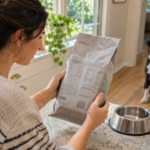
If your veterinarian says an over-the-counter chew is appropriate for your dog, look at the exact formula while there is still time to plan. NaturVet Quiet Moments Calming Soft Chews for Dogs come in a 70-count package that lists melatonin, L-tryptophan, chamomile, ginger, and thiamine. The manufacturer gives weight-based directions and labels the product for dogs over 12 weeks. The label calls for advance use before a stressful event. Ask your vet about timing and compatibility if your dog already takes a medication or another supplement.
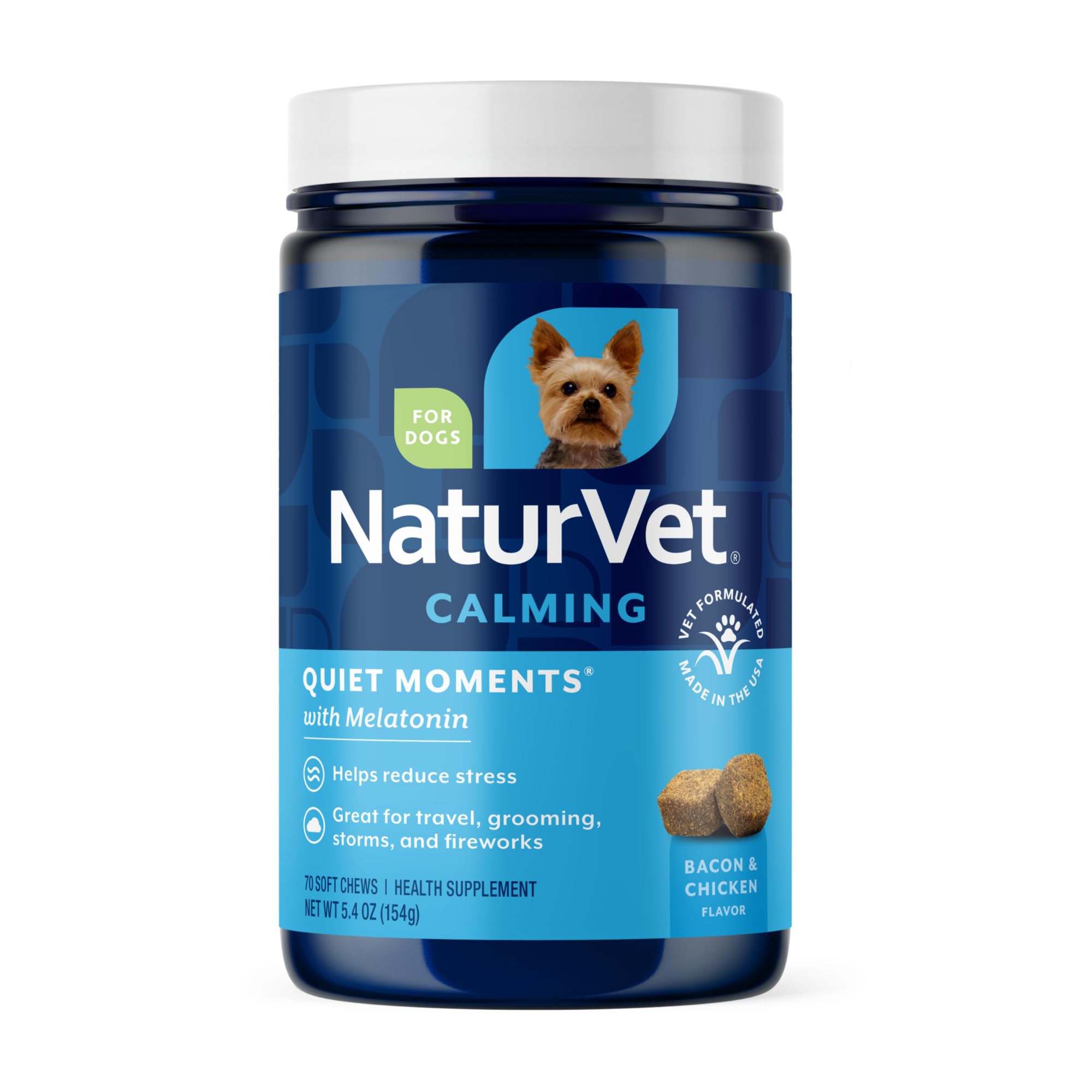
A chew needs a dog who is still willing to eat. If your dog is already hiding and refusing their favorite food, put the chew away and focus on getting them somewhere safer and quieter. Keep the package out of reach, and have one person handle any serving so a second family member does not repeat it. Our guide to calming treats for dogs compares label details and explains what to ask your vet before buying.
Practice with recordings on quiet days
Training works best when you control the sound. Choose a normal afternoon and start a fireworks recording at a volume your dog can hear without showing distress. Pair a brief sound with a bit of food your dog already enjoys. Stop after a few easy repetitions and let them get back to whatever they were doing. If your dog looks tense, moves away, or stops taking food, stop the session and start lower another day. Keep sessions short enough that the dog can stay comfortable throughout.
Change one thing at a time. If you increase the volume, keep the speaker in the same spot and leave the session short. If you move to a different room, drop back to an easy volume. A phone speaker cannot reproduce the full sound, flashes, or other sensations of a real display. Use practice to build familiarity while keeping your indoor safety plan ready for the actual night.
Write down what happened and plan the next event
The next day, jot down the first behavior you noticed, where your dog went, whether they could eat, and how long it took them to rest once the noise stopped. Details such as “started panting at the first nearby bang and took an hour to lie down” give your veterinarian more to work with than “hates fireworks.” Include any attempts to escape or any injuries, plus the name and amount of anything your dog was given. You can use the same notes to decide whether the room you picked was actually the place your dog preferred.
Call your veterinarian ahead of the next event if your dog tries to break out, shakes or pants for a long time, refuses food through the whole episode, or takes a long time to recover. Also mention sudden noise sensitivity in a dog who used to tolerate the same sounds. Your veterinarian can check for health problems and help you plan for a predictable trigger. If your dog injures themselves while trying to escape, contact an emergency veterinary service.
Put a short plan where everyone in the household can see it. Write down when the dog goes out, which room stays quiet, who handles doors, and whom to call if the dog panics. When the first bang goes off, each person can act without opening another door or trying a different remedy at the same time.